Filipino MArtial arts (fma) - kali - arnis - eskrima
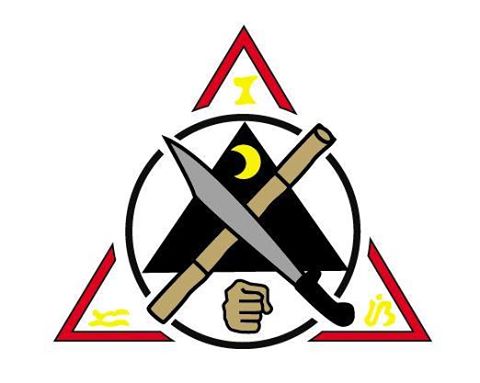
The Meaning of The Inosanto Kali Symbol
- The triangle represents the Universe,
- The circle represents the Creator: the form with continuous movement,
- The Kali Triangle: love, compassion, humility,
- The stick: the core of Filipino martial art, The first weapon taught, from which to learn all the other weapons,
- The blade [points upwards towards “Life”); The blade is taught after the stick,
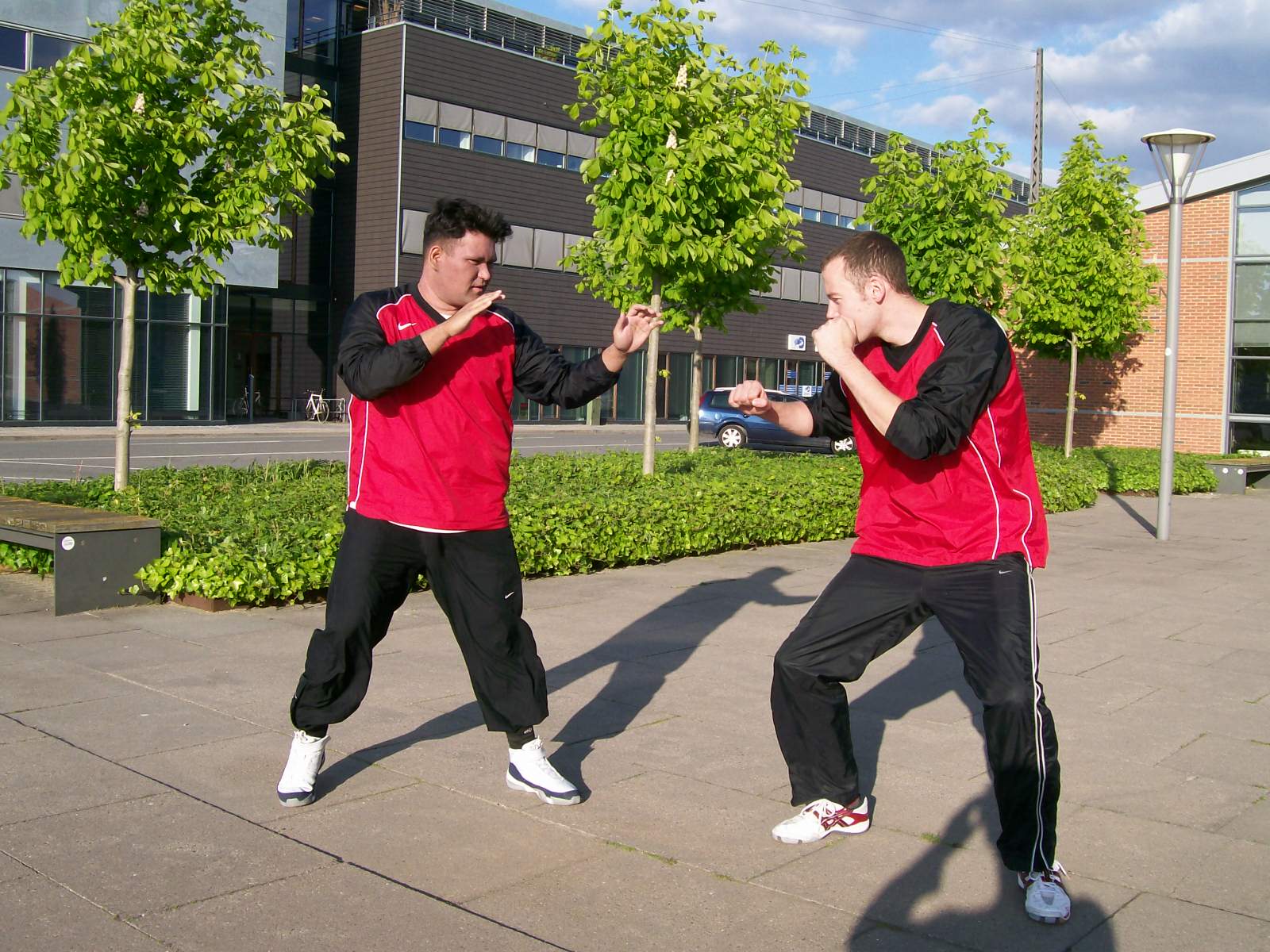
- The fist that represents the art of the empty hand of the Philippines.
- The half moon symbolizes the “half” of the Philippines [South Philippines], which have never been under Spanish rule, and also the “moonlight”, which was the only time that Kali practitioners could safely practice theft art during Spanish domination,
- The four parts of the circle represent the four Saints called by the Kali,
- Practitioners: Saint Michael, San Gabriel, San Uriel and Saint Raphael,
- Ancient “K” for Kali, Kaliradman,
- Ancient “E” for Eskrima, estocada and Estoke,
- Ancient “S” for Silat
12 Areas of Inosanto Kali
1st Area
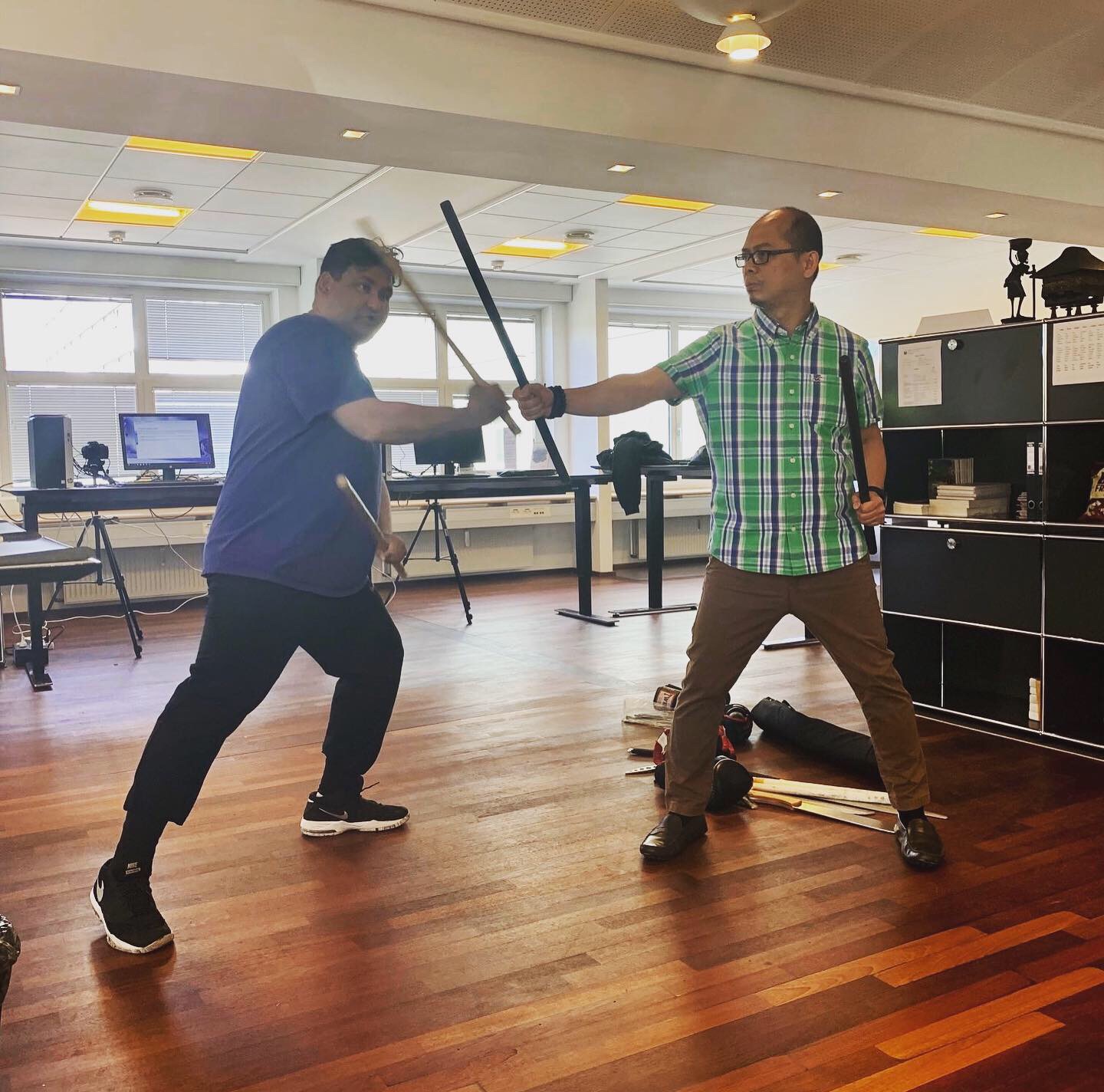
- Single Stick
- Single Sword
- Single Axe
- Single Cane
2nd Area
- Double Stick (Double Olisi)
- Double Sword
- Double Axe
3rd Area
- Stick and Dagger (Olisi-Baraw)
- Cane and Dagger
- Sword and Dagger
- Sword and Shield
- Long and Short Stick
4th Area
- Double Dagger (Baraw-Baraw)
- Double Short Sticks
5th Area
- Single Dagger (Baraw-Kamot)
- Single Short Stick
6th Area
- Palm Stick (Olisi-Palad)
- Double end Dagger
7th Area Pangamut, Kamot-Kamot or Empty Hands
- Panatukan (Boxing to include use of the elbows)
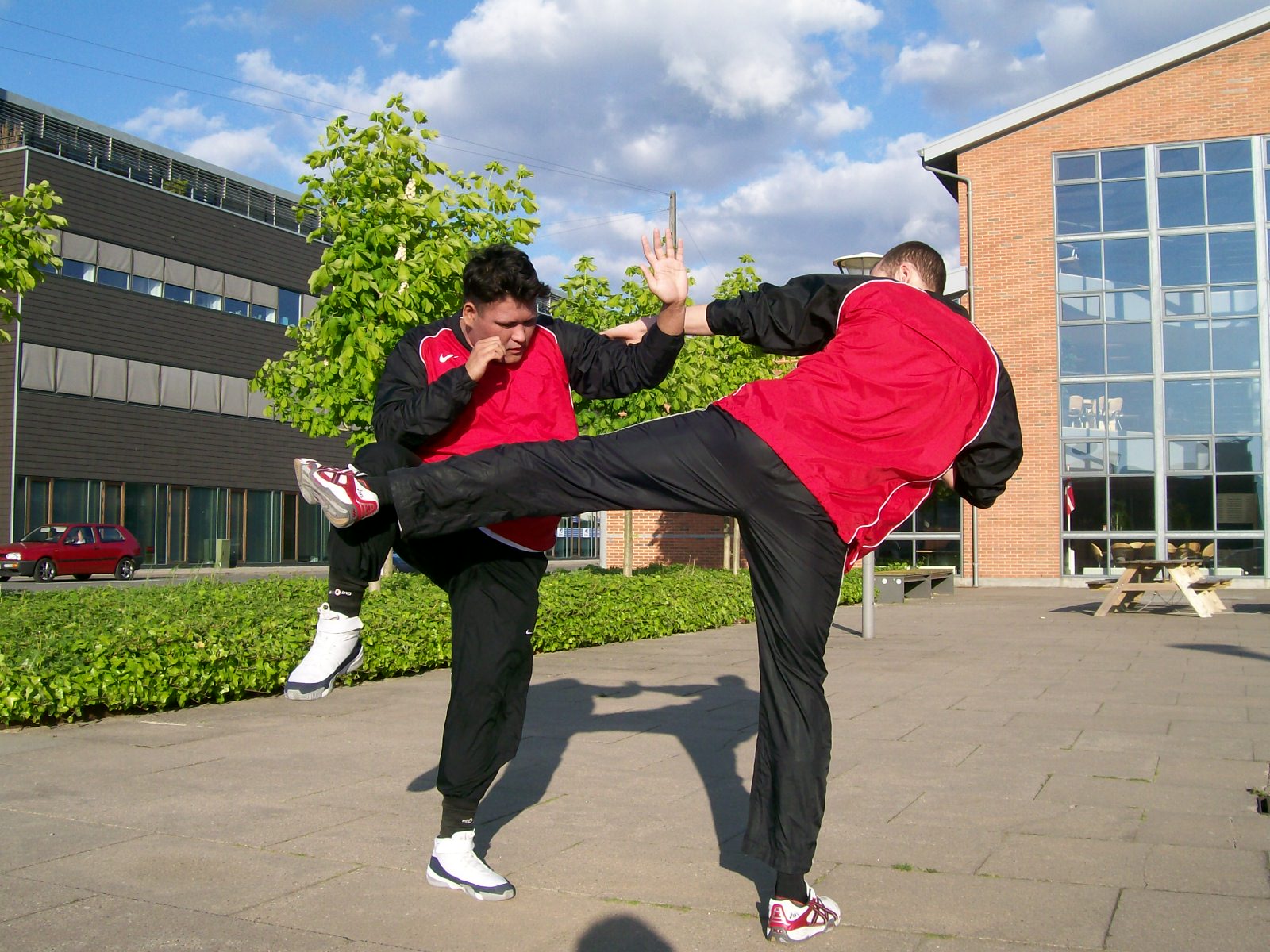
- Panadiakan or Sikaran (Kicking to include use of Knees and Shin)
- Dumog, Layug, or Buno (Grappling and Locking)
- Ankab-Pagkusi (Bite and Pinch)
- Higot-Hubud-Lubud (“Tying-untying, and blending the two”, which is a close range trapping and sensitivity excersise)
8th Area (Long Weapons)
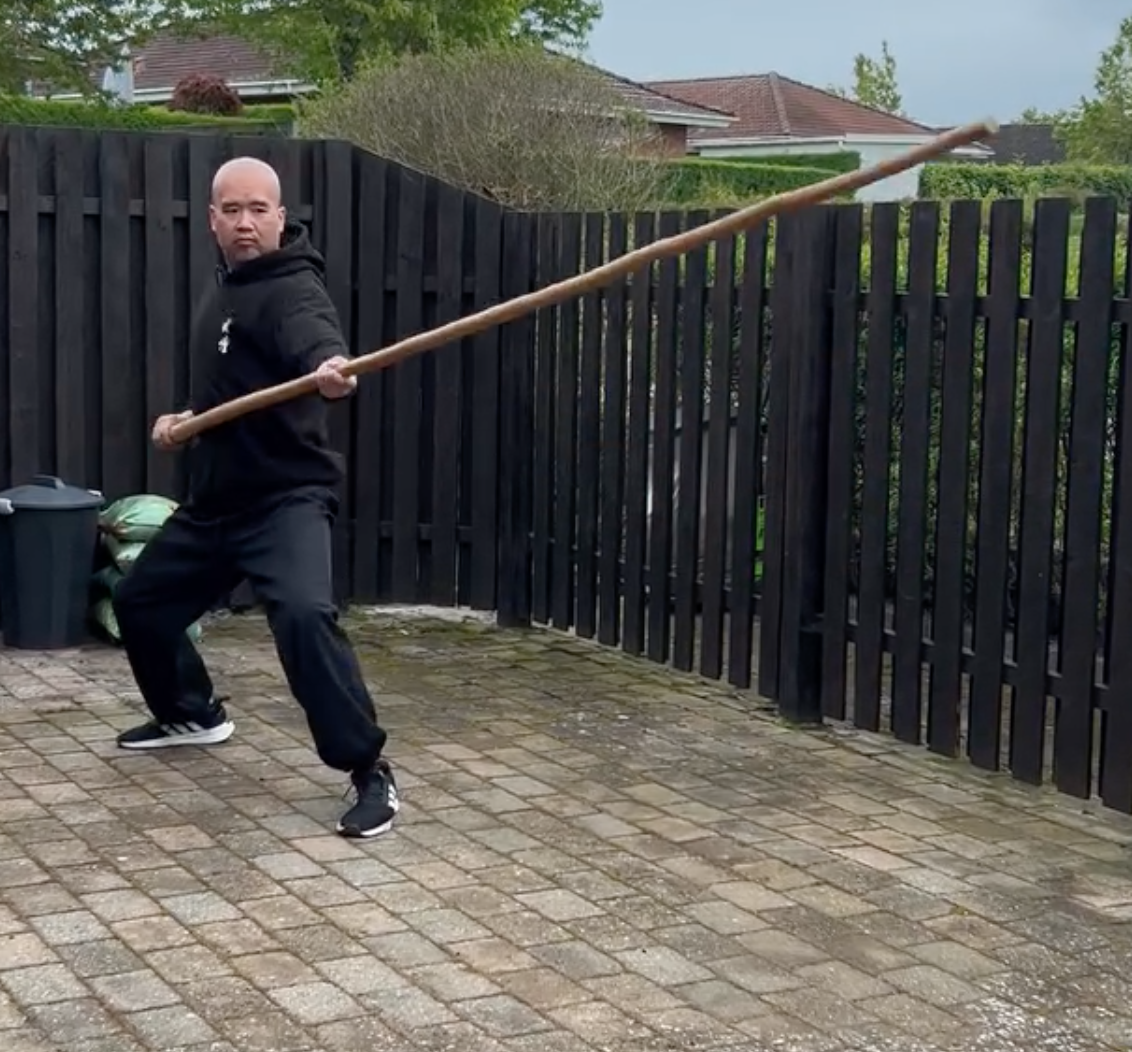
- Staff (Sibat)
- Oar (Dula)
- Paddle (Bugsay)
- Spear (Bangkaw)
- Spear and Circular Shield
- Spear and Rectangular Shield
- Spear and Sword/Stick
- Spear and Dagger
- Two Handed Method (Heavy Stick. Olisi Dalawang kamot)
- Two Handed Method (Regular stick)
9th Area (Flexible Weapons)
- Sarong (clothing worn in Southern Phillipines and Indonesia)
- Belt or Sash
- Whip (Latigo)
- Rope (Lubid)
- Chain (Cadena)
- Scarf, headband
- Handkerchief
- Flail (nunchaku) Olisi Toyok
- Tobak Toyok
- Yo-yo
- Stingray Tail
10th Area (Hand thrown weapons, Tapon-Tapon)
- Spear
- Dagger
- Wooden Splinter
- Spikes
- Coins, Washers
- Stones, Rocks
- Sand, Mud, Dirt
- Pepper, Powder
- Any object that can be thrown
11th Area (Projectile Weapons)
- Bow and Arrow (Pana)
- Blowgun (Sumpit)
- Slingshot (Pana Palad)
- Lantanka (Portable Cannon)
12th Area
- Mental, Emotional, Spiritual training
- Healing Arts
- Health Skills
- Rhythm and Dance
- History, Philosophy and Ethics